The 10 most valuable brands in the world are worth a combined $3.6 trillion. That number comes fromInterbrand's 2025 Best Global Brands report, which tracks brand value year after year. Compared to 2024, this total increased by 4.4 percent (the growth says a lot about what people value today).
After all, brand value goes beyond sales numbers. It reflects how much people trust a company, how quickly they recognize it, and how willing they are to come back. And the most recognizable brands in the world have built that kind of connection over many years.
So which brands made it to the list this year? Interbrand's 2025 rankings place Apple, Microsoft, Amazon, Google, Samsung, Toyota, Coca-Cola, Instagram, McDonald's, and Mercedes-Benz in the top 10.
Our team studies what these successful brands do well so our clients can apply those same lessons. In this article, we’ll take a closer look at what makes each of these brands so effective and what any company (large or small) can take away from their success.
What Are The Most Valuable Global Brands In The World Right Now?
As we mentioned, the most valuable brands in the world right now are Apple, Microsoft, Amazon, Google, Samsung, Toyota, Coca-Cola, Instagram, McDonald's, and Mercedes-Benz. And together their brand value adds up to well over $2 trillion.
Let's walk through each one to see what these companies are actually doing to stay on top.
Apple
Apple has been the world's most valuable brand for over a decade, and the 2025 Interbrand report keeps it right there at #1 with a brand value of $470.9 billion. A big reason for that is how well its products work together. iPhones, Apple Watches, computers like the MacBook, and services like iCloud all connect within one system.
If you are a fan of Apple products, you already understand how that connection has built this long-term loyalty. In fact, around 80% of iPhone owners also use at least one other Apple product.
And with over 2.5 billion active devices around the world, millions of people now depend on Apple's ecosystem as part of their everyday life.
Microsoft
Right behind Apple is Microsoft at #2, with a brand value of $388.5 billion and a 10% increase from the previous year. The company sells enterprise software like Office 365 and Teams to businesses of every size. It also holds a strong position in cloud computing through Azure, which accounts for about 20% of the global cloud market.
And similar to Apple, what makes Microsoft so hard to leave is how all these services connect with each other. Microsoft combined its productivity tools with Azure so they run on one integrated platform (aka Microsoft Azure).
That kind of integration explains why many businesses stay with Microsoft for the long term, as seen in its strong retention numbers.
Amazon
Few companies have grown as aggressively as Amazon, which sits at #3 in the 2025 rankings. Its brand value stands at $319.9 billion.
As Amazon expanded into new markets and grew its Prime program, it built a logistics network that now reaches millions of customers across 27 countries. A major part of this reach comes through its Prime membership program.
And, surprisingly, those customers tend to stay with the service once they join. In fact, over 200 million people hold Prime memberships worldwide, and 99% of U.S. members renew after their first year. This level of repeated use doesn't happen by chance. We believe it comes from their strong focus on the customer, including fast delivery and simple return processes.
Google
If you use the internet, you probably use Google. And that widespread use shows in its #4 ranking and a brand value of $317.1 billion. Google’s search engine still controls roughly 90% of the global search market(a staggering share for any single company). But search is only a part of its business. Google also runs one of the largest advertising platforms in the world, along with a growing cloud services business.
What gives Google even more weight in these rankings is its investment in data and artificial intelligence technology. Plus, its parent company, Alphabet (which owns Google and manages its broader businesses like AI and cloud services), reached a market value of over $2 trillion in 2024.
So, it’s clear that Google’s move into AI is helping it hold its market position, even as newer competitors start to show up.
Samsung
No other consumer electronics company operates at the scale Samsung does, which is why it ranks #5. The company has a brand value of $90.5 billion and operates across a wide range of electronics, including smartphones, computers, memory chips, televisions, etc.
To put that scale into perspective, Samsung reported total revenue of about 333.6 trillion KRW(which is about $224.8 billion) in 2025 and shipped over 241 million smartphones in the same year. The brand has, in fact, continued its streak of shipping over 200 million smartphones every year, which gives it a global reach that very few electronics brands can match.
Toyota
Year after year, Toyota proves that reliability sells. The company placed #6 in the 2025 rankings with a brand value of $74.2 billion. In 2025, the company sold over 11.3 million vehicles (breaking its own previous record) and continued its position as the world’s top-selling automaker by volume.
Quality is what keeps the brand there. In the recent Consumer Reports' reliability rankings, Toyota placed in the top three among all mass-market automakers. Thanks to this reputation for building vehicles that last, many buyers return for their second, third, and even fourth Toyota.
Coca Cola
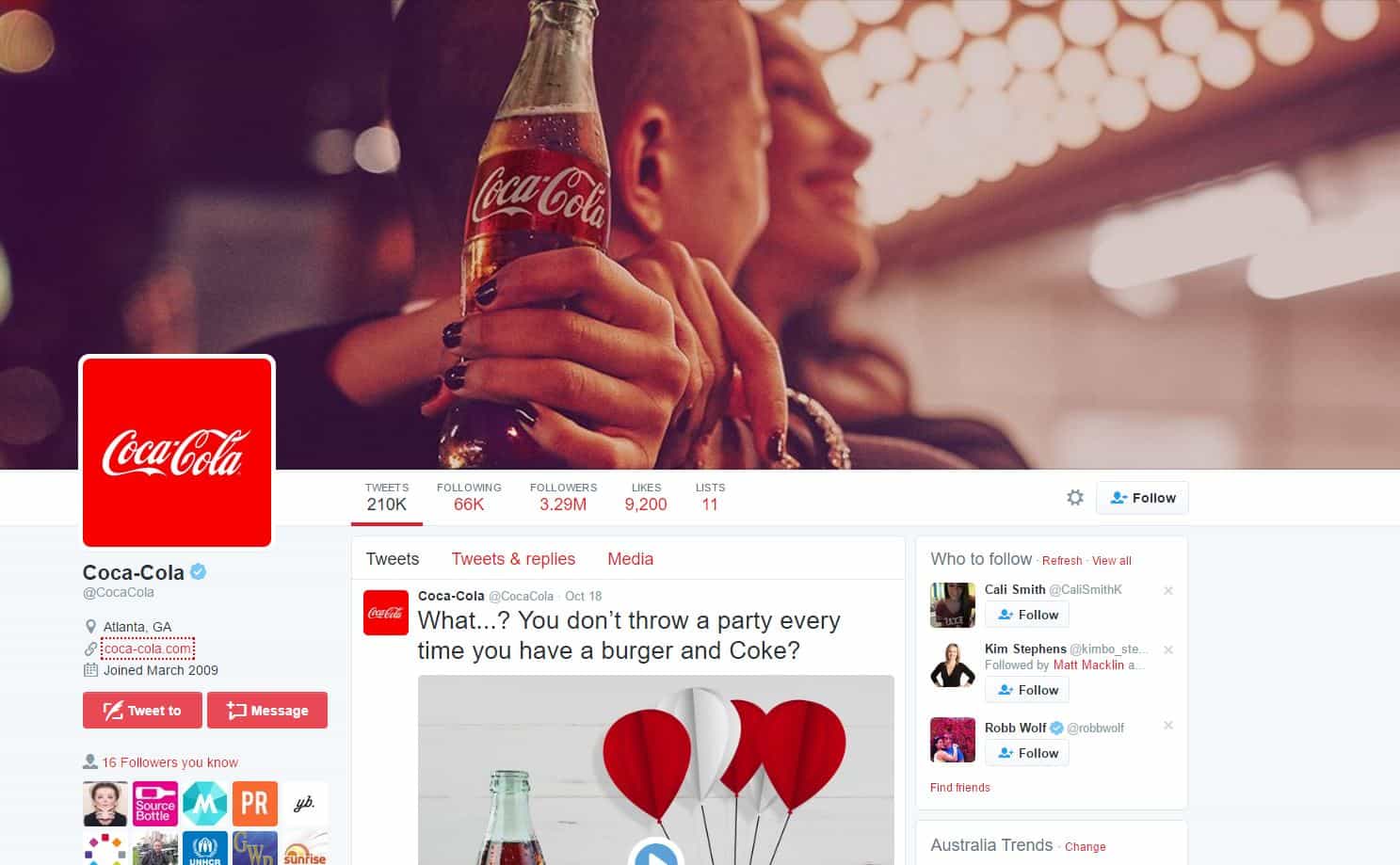
If you are looking for one of the most recognizable brands on earth, Coca-Cola is it. The company placed #7 in Interbrand's list and has a brand value of $60.1 billion.
Its red and white logo has served as a symbol of the brand for over 130 years. And it still looks almost the same (minus small refinements to its lettering and design) as it did decades ago. Long-term consistency like that can really pay off.
We’ve also noticed that companies with a clear visual identity and a stable logo tend to build recognition much more quickly than those that keep redesigning. Coca-Cola is the textbook example of that principle at work.
Instagram
For the first time, Instagram cracked the top 10 at #8 in the 2025 rankings with a brand value of $57.3 billion. That’s a 27% jump from the year before, which makes it one of the fastest-growing names on the list.
Now, the platform reaches 3 billion monthly active users around the world. A big part of that growth comes from how it brings brands, audiences, and content creators together in one place. In other words, businesses can share content, creators can promote products, and users can find and engage with both on the same platform.
This connection is reflected in how widely the platform is used for business. Over 200 million businesses are active on the platform, and about 90% of users follow at least one business account, which creates strong brand value.
McDonald's
McDonald's holds the #9 spot with a brand value of $53 billion. The company runs more than 40,000 restaurants across over 100 countries, which makes it the largest fast food brand by market reach.
Once again, this wide reach is supported by consistency, or a consistent customer experience if we're being specific. People know what to expect in terms of menu, pricing, and speed, regardless of where they go. That familiarity encourages repeat visits.
McDonald's also manages to keep sales strong by adjusting prices and running limited-time offers that fit local tastes. It helps the brand stay relevant in every market it enters.
Mercedes Benz
Closing out the top 10 is Mercedes-Benz. It stands with a brand value of $50.1 billion. For well over a century, the company has stood as a leader in the premium automotive sector. And it’s still moving forward.
This is because they prioritize innovation. Mercedes-Benz invests heavily in electric vehicles and self-driving technology to stay competitive as the industry changes.
In the broader Interbrand rankings, the brand is one of only three automakers in the top 25, sitting alongside Toyota and BMW (which placed #14). And that placement reflects the strong reputation the brand still holds in a rapidly changing market.
Why Are These Brands So Valuable Globally?
The brands in the ranking are valuable because they’ve earned trust, recognition, and loyalty in markets all over the world. And it’s the result of strong finances, wide reach, and connections with the people who buy from them.
So what exactly drives that value? It comes down to two areas:
Global Reach and Presence: You might’ve noticed that none of these brands operate in just one country. Every company on this list has built a global presence across dozens of markets. For example, Apple sells in over 175 countries, and Amazon's Prime program covers 27. This global reach can position a regional business on the global stage.
Cultural Influence Worldwide: Over time, the most valuable brands also leave a mark on global culture. Coca-Cola, for example, sponsors major sporting events like the FIFA World Cup and the Olympics, which attract audiences worldwide. Similarly, McDonald's is a part of daily life for many people in over 100 countries. That kind of cultural popularity reaches far past selling a product.
All of these factors connect. For instance, financial performance supports global expansion, which builds recognition and then deepens loyalty.
So the most valuable brands in the Interbrand rankings succeed because they show strength across these factors. And that balance is exactly what creates lasting success.
How Do Global Brands Build Customer Loyalty?
The biggest brands in the world build customer loyalty by creating emotional connections, delivering a consistent experience, and rewarding repeat customers. Plenty of companies try to do all three, but the ones that pull it off across every market are the ones that stay on top.
This is how each part works in practice:
Emotional Connection With Customers
People stick with brands that make them feel something personal. And the data backs that up. Research shows that 82% of consumerswith a strong emotional connection to a brand remain loyal, compared to just 38% of those without one. That gap alone says a lot about how much feelings drive buying decisions.
If you’ve read so far, you can already see how brands like Apple and Coca-Cola have spent years creating this kind of bond through consistent identity and messaging. They're also building a sense of belonging that customers want to come back to, alongside selling their products.
And that emotional pull is a big part of what keeps their sales steady year after year.
Consistent Customer Experience
Now, an emotional connection might get people through the door, but consistency is often what makes them stay. Usually, if a brand delivers the same quality of service regardless of where you are, it builds trust over time.
According to HubSpot research, 93% of consumers are more likely to make repeat purchases from companies with strong customer service. McDonald's and Starbucks are good examples of this. You’ll notice that the experience feels the same regardless of which location you walk into, which usually gives them one less reason to even consider looking somewhere else.
Loyalty Programs and Retention
Once a brand has the emotional connection and the consistent experience locked in, loyalty programs can reinforce repeat behavior and make it systematic. Data from Accenture shows that loyalty program members generate 12% to 18% more revenue growth per year than non-members (which is a meaningful lift for any company).
And Amazon Prime is one of the strongest examples of how this works in real life. It combines fast shipping, streaming, and exclusive deals into a single membership. With over 200 million members around the world, Prime shows how a well-built rewards system can turn repeat customers into a steady source of long-term revenue.
What Do The Top Global Brands Have In Common?
The most valuable brands in the world follow a lot of the same principles, like innovation, consistency, customer focus, and global reach.
Take a closer look at what each brand leads with.
Brand
Primary Strength
Core Focus
Industry
Apple
Ecosystem Integration
Product Innovation
Technology
Microsoft
Enterprise Solutions
Cloud Computing
Technology
Amazon
Logistics Scale
Customer Experience
E-Commerce
Google
Search And Data
Advertising And AI
Technology
Samsung
Manufacturing Scale
Product Range
Electronics
Toyota
Reliability
Production Efficiency
Automotive
Coca-Cola
Brand Identity
Global Marketing
Beverage
Instagram
User Engagement
Platform Growth
Social Media
McDonald's
Consistency
Franchising
Food Service
Mercedes Benz
Luxury Positioning
Premium Engineering
Automotive
A closer look at the ranking shows that three of the top four brands come from the technology sector. However, a beverage company, a fast food chain, and two automakers made the list too. So the industry clearly plays a smaller role than how well a brand performs within it.
Plus, you'll notice that there are a few clear patterns. The top brands like Apple and Microsoft, for instance, keep improving their products, stay consistent in how they present themselves, and reach customers across global markets. And over time, they repeat it and build it into how the brand operates.
These patterns also connect directly to key drivers of brand value, like brand strength and financial performance. You can see this across different industries.
For example, Apple built its reputation on user-friendly devices and then expanded into services like iCloud and Apple Music. And Google built its core strength in search and then expanded into advertising, cloud computing, and AI.
Examples like this form a wider pattern across the rankings: brands that rise year after year combine strong financial performance with a recognizable and trusted identity. So the industries may differ, but the underlying formula stays largely the same.
What Can Businesses Learn From Successful Global Brands?
The strategies behind the most valuable companies in the world are built on principles that any business can apply, regardless of size. What’s most important is how consistently a company applies those principles over time and across every part of its operations.
These are six lessons we found are worth paying attention to:
Build Customer Loyalty Systems: Customer loyalty takes a system to make it work. If you remember us mentioning, Amazon's Prime program has a 99% first-year renewal rate in the U.S. It’s a good example of how structured rewards and convenience can convert one-time buyers into long-term customers (and steady revenue for the business).
Strengthen Brand Recognition: Along with loyalty, recognition plays a huge role in how a brand grows. A company's brand recognition often starts with something as simple as a logo or a visual symbol. And Coca-Cola and McDonald’s have both shown that keeping your identity consistent over time is one of the fastest ways to become a household name.
Develop Scalable Business Models: A business still needs a model that can grow with demand. McDonald's, for instance, runs its 40,000 locations through a franchise system that keeps costs manageable while bringing in millions in sales. This structure lets a business scale without having to rebuild from scratch every time it enters a new market.
Adapt to Market Changes: Even with a scalable model in place, brands still need to adjust when the market changes. A good example is the fashion brands like Nike. It dropped from #14 in 2024 to #23 in the 2025 Interbrand rankings as consumer values and buying habits changed.
Use Data-Driven Decisions: Spotting these changes is much easier when you have the right data. According to McKinsey, data-driven companies are 23 times more likely to gain new customers and 19 times more likely to be profitable.
Invest in Long-Term Brand Strategy: Even with good data, it won’t pay off without a long-term plan behind it. In fact, the brands that hold their brand value in the Interbrand rankings year after year are the ones that invest in strategy (not just campaigns). So if you want your business to be a global icon, remember that it’ll take years of consistent effort.
As you can see, the most valuable brands in the world focused on several key areas, adapted when needed, and used data to guide their decisions; all while staying consistent over time. We believe any business that follows the same path has a shot at lasting growth.
Create a Brand That People Will Notice
So, what stood out to you most from this list? Whatever it might be, we hope you’ll notice the pattern across these brands from now on.
And you don’t need a billion-dollar budget to follow the same playbook. Any company, at any scale, can start building loyalty systems, strengthening its brand presence, and making smarter decisions with data. Brand-building is ongoing work, and the sooner you treat it that way, the more your brand value will grow.
If your business is ready to take the next step, Matter Solutions works with companies that want to build a stronger, more recognizable presence in their market.
Get in touch with our team today to get started.
Frequently Asked Questions (FAQs)
Now that we’ve covered the main ideas, here are some frequently asked questions to help you take the next step.
What Is The Most Successful Brand In The World Right Now?
Apple holds the title of the most successful brand in the world, as of 2025, in Interbrand's Best Global Brands report. It is also the largest company in the world by market capitalization.
Which Most Famous Brands Have Stayed In The Top 10 The Longest?
Coca-Cola and McDonald's have held spots in Interbrand's top 10 for over 25 consecutive years, longer than any other brand on the list. Apple, Microsoft, and Toyota are also well-known brands that have been in the rankings for over a decade.
Are There Most Iconic Brands Outside Of Technology In The Top 10?
Yes, the top 10 brands in the world aren't all from technology. Toyota and Mercedes-Benz represent automotive, Coca-Cola leads beverages, McDonald's dominates food service, and Instagram represents social media. These most iconic brands prove that brand value isn't limited to tech giants. Theme parks, merchandise, and sports sponsorships also play a role in how some well-known brands maintain their cultural presence globally.
How Do The Most Recognizable Brands Measure Their Success?
The most recognizable brands use a mix of financial data, customer feedback, and brand strength scores. Interbrand and Brand Finance both publish annual rankings that measure brand value based on revenue, purchase influence, and competitive positioning.
Beyond rankings, these brands also track market share, retention rates, and cultural influence.
Ben Maden founded Matter Solutions in April 2000 and remains the Lead Web & SEO Consultant today. While Matter Solutions originated in London, UK, the company took on United States clients when Ben emigrated to Brainerd in November 2006.