Welcome to our complete guide on digital marketing for IP lawyers.
Many intellectual property attorneys see their competitors ranking on Google, but they don't know where to start with online marketing. And if you're one of them, don't worry. We'll explain everything here in detail.
Our team at Matter Solutions has worked with law firms in this highly competitive market since 2000. So we know how confusing digital marketing can feel when you're focused on serving clients and building your practice.
That's why we've created this guide for you. Here, you're going to learn:
- Building visibility when most IP law firms stay invisible online
- Website elements that convert visitors into consultations
- How search engines connect you with high-value clients
- The marketing channels that strengthen your firm's standing in the market
Ready to make your expertise easier to find? Let's break down everything you need to know about marketing your intellectual property practice.
Why Do IP Law Firms Struggle to Get Clients Online?
Most intellectual property law firms still depend on referrals, while potential clients look towards Google to find and vet attorneys before making contact.
The truth is, this approach worked five years ago. Now, client behavior has completely changed. When someone needs help with a patent or trademark issue, they don't wait for a referral anymore. They open Google, type in what they need, and compare the first few law firms that show up.
If your firm isn't visible in those search results, you're losing business to competitors who invested in their digital marketing strategy. The prospective clients looking for your expertise right now are finding other lawyers instead.
Then there's another problem: most IP attorneys spent years learning intellectual property law, instead of marketing. So when it comes to building an online presence, many lawyers either ignore it completely or try random tactics without a clear plan.
Bottom Line: The market has shifted. People search online before they pick up the phone. Your firm needs to show up in those searches, or you'll keep depending on unpredictable referrals while other intellectual property law firms capture the clients actively looking for help.
What Makes a Law Firm Website Work for Intellectual Property Attorneys?

A professional website for IP attorneys brings in clients when it loads fast, works on mobile, and clearly explains your services.
Believe it or not, you have about three seconds to make an impression. That's how long most people stay on a site before they decide to explore further or click away. For a law firm website, those first few seconds determine whether someone fills out your contact form or moves on to the next firm in the search results.
Here's what separates websites that bring in clients from ones that don't.
Page Speed and Mobile Experience
Slow-loading web pages kill your chances before anyone even reads your content. Search engines also penalise slow sites with lower rankings.
Since over 60% of people searching for legal help use phones. If your site looks broken on mobile or forces visitors to pinch and zoom just to read text, you're telling potential clients to hire someone else. That's why responsive design is a must if you want to compete.
Pro Tip: Run a free test using PageSpeed Insights to see where your site stands. The tool shows you exactly what's slowing things down and how search engines view your technical SEO setup.
Clear Service Pages That Match Search Intent
The best part about dedicated service pages is that they match exactly what people type into search engines when looking for help.
When someone searches "trademark registration process," they want clear answers about trademark work. Not a generic "services" page that lists everything your firm does in two sentences each. So, create separate pages for patent prosecution, trademark registration, copyright protection, and trade secret work instead of lumping them all together.
In practice, this means answering the specific questions related to each service. For example:
- How long does patent filing take?
- What does trademark registration cost?
- What documents do clients need?
These are the queries related to intellectual property legal services that bring people to your site in the first place. Write in simple language so visitors understand what you offer without needing a law degree to decode your pages.
Trust Signals That Convert Visitors
Visitors decide whether to contact your firm based on credibility markers like testimonials, credentials, and recognizable client names.
Think about it from their perspective. They're comparing multiple firms, probably looking at three or four sites before making a decision.
The ones that display client success stories, case results, transparent pricing with no hidden fees, and industry recognition make a strong first impression. When you design websites with these trust elements visible, you establish credibility before the first phone call.
What else helps? Include detailed attorney bios showing technical backgrounds and USPTO registration numbers. This proves your expertise in intellectual property law in a way that generic descriptions never will.
Now that your website foundation is solid, the next step is making sure people can actually find it when they search for intellectual property attorneys online.
How Does SEO Help IP Attorneys Attract High-Value Clients?
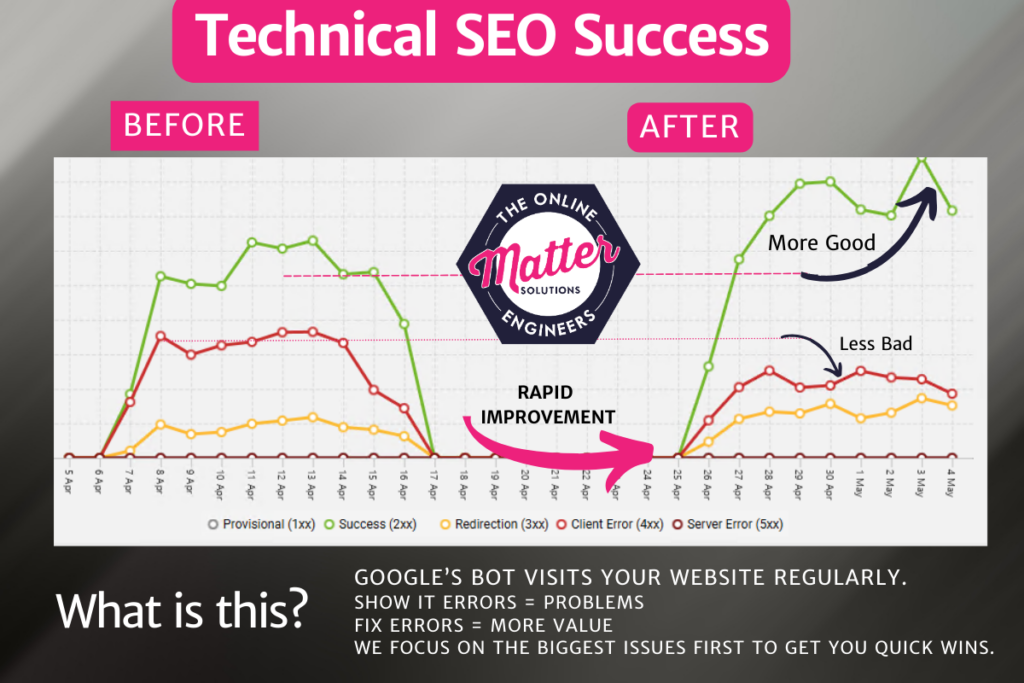
Search engine optimization helps IP law firms appear in results when startups, inventors, and businesses search for patent or trademark help online.
Put simply, SEO makes your firm visible when it counts most. Someone opens Google, types "patent attorney in Boston" or "trademark lawyer Denver," and your firm shows up. That's how most intellectual property attorneys get discovered today (not through referrals, but through search engines).
Focus on these three areas:
- Local SEO: Local SEO gets you in front of people who can actually walk into your office or schedule a video call without worrying about time zones. It's how you show up when someone searches "intellectual property lawyer near me" in your market.
- Content Creation: Build content around queries related to intellectual property that drive search traffic. Answer them clearly on your site, and search engines will reward you with better rankings across your practice areas.
- Link Building: If you can earn backlinks from legal directories like Avvo, industry publications, and business blogs, you signal authority to search engines. The more quality sites that link to your firm, the higher your authority climbs in search engine results. This helps you rank for competitive terms and appear in featured snippets at the top of the page.
Honestly, SEO takes time, but it builds momentum. Each piece of content marketing you publish, every backlink you earn, and all the technical improvements you make compound over time. That's what separates firms that dominate search results from those stuck on page three, where nobody clicks.
Why Does Your Google Business Profile Help IP Law Firms?
Google Business Profile is the fastest way to appear in local map results when inventors and entrepreneurs search for IP lawyers nearby.
When people search online for "intellectual property lawyer near me" or "trademark attorney," Google shows a map with three local firms at the top. That's the local pack, and it attracts more attention than almost anything else on the page. Yes, your Google Business Profile is what puts you there.
We've seen positive reviews on profiles build trust quicker than website content (the numbers don't lie on this one). You wouldn't hire someone with zero reviews when another firm has 50 testimonials, right?
Useful Tip: Complete your profile fully. Add your practice areas, business hours, photos of your office, and regular posts about IP law topics to signal that you're active.
The reality is that Google rewards active profiles with better online visibility in search results. The more signals you send that your firm is legitimate and helpful, the higher you rank in local searches across your market.
What Are the Best Content Marketing Strategies for Patent and Trademark Lawyers?
The best strategies include educational blog posts, downloadable guides, case studies, and video content that addresses real concerns.
Here's what's interesting, though. Most people researching IP law spend hours reading articles and watching videos before they ever contact a lawyer. They want to understand their options first. If your firm provides that education, you become the obvious choice when they're ready to hire.
Develop content in these formats:
- Educational Blog Posts: Write blog posts that answer real questions. What's the difference between patent and trade secret protection? How long does copyright registration actually take? These topics directly address the IP issues people search for when they need legal help.
- Downloadable Resources: While blog posts attract visitors, downloadable guides capture contact information. Most written content, like IP protection checklists for product launches or trademark registration step-by-step processes provide immediate value to visitors.
- Case Studies: Publish case studies showing how you helped clients protect their inventions or resolve intellectual property disputes. You can't reveal confidential details, but you can explain the challenge, your approach, and the outcome. Real examples build credibility and establish trust with future clients better than generic claims ever will.
- Video Content: Sometimes complex topics need visual explanation. For instance, short videos explaining patent prosecution timelines or copyright fair use help you attract more leads while showcasing your firm's expertise.
The content you create compounds over time. Each article ranks in search engines, attracts visitors, and positions your practice as an authority in intellectual property law across your market.
But content creation alone won't reach everyone. Which is why we recommend paid advertising to get your firm in front of high-intent prospects right away.
Should Intellectual Property Law Firms Invest in Paid Ads?

Yes, but only if you target the right audience with clear messaging and send ad traffic to specific service pages instead of your homepage.
It doesn’t take long to notice the difference since paid advertising delivers results quickly when done right. Someone searches "file patent application" or "trademark infringement lawyer," and your ad appears at the top of the page. They click, land on a focused service page, and book a consultation. That's how PPC campaigns work for intellectual property law firms that structure them correctly.
Let's break down the two main digital marketing channels:
- Google Ads: Your ad puts your firm in front of people typing high-intent phrases like "patent attorney near me" or "copyright lawyer." Google Ads captures visitors at exactly the right moment for legal services.
- LinkedIn Ads: LinkedIn advertising targets specific decision makers like startup founders, CTOs, and in-house legal teams who handle IP matters regularly. You can filter by job title, company size, and industry to reach the exact people who need your services. This platform works especially well when you're going after potential clients in tech, biotech, or manufacturing sectors.
Marketing Tip: Start with small daily budgets between fifty and one hundred dollars to test messaging and refine targeting. Once you see what brings in consultations, scale your spend and expand into new market segments across both platforms.
Which Social Media Platforms Actually Work for IP Law Practices?

LinkedIn and YouTube deliver the best results for intellectual property attorneys because they reach decision makers and people actively researching IP protection.
Not every social media platform makes sense for law firms. Instagram and TikTok work great for restaurants or fashion brands, but they don't connect you with clients who need patent or trademark help.
Different platforms serve different audiences, so focus your energy where it actually brings you new business. Use these two platforms:
LinkedIn for B2B Clients and Thought Leadership
LinkedIn puts you directly in front of startup founders, CTOs, and corporate legal teams who regularly handle intellectual property matters.
So take this opportunity to share insights on recent patent rulings, trademark disputes, and IP legislation changes to position yourself as someone who knows the field. When decision makers see your expertise consistently, they remember your name when they need intellectual property legal services.
This strategy focuses on client acquisition while helping your firm outrank other law firm competitors for high-value cases.
YouTube and Short Form Video Content
This is where most people go wrong: they think written content is enough. But many inventors and entrepreneurs prefer watching explanations over reading long articles. Create educational videos explaining patent basics, the trademark search process, or copyright registration that build trust before consultation calls even happen.
Also, don't forget to keep videos short. In our experience working with law firms, clips under three minutes perform better than long lectures because they respect people's time while still delivering useful information.
Pro Tip: Repurpose your video content across platforms like LinkedIn, your website blog, and email newsletters to maximize your content marketing efforts. One video becomes multiple touchpoints with potential clients while building a strong online presence.
How Do You Track Marketing Results Without Wasting Your Budget?
Tracking the right metrics like website traffic, lead sources, and conversion rates tells you which marketing efforts bring in clients and which ones drain your budget without results.
Many law firms spend money on digital marketing without knowing what actually works. They run ads, post on social media, and update their website, but they can't tell you which activities generated their last three consultations. That's a problem because you end up funding channels that feel productive but deliver nothing.
So here are the essential marketing tips we recommend to track what actually counts:
- Website Analytics: Set up Google Analytics on your law firm website to monitor where traffic comes from, which pages people visit most, and what actions lead to consultation requests. In a nutshell, this free tool shows you the path visitors take before they contact your firm.
- Call Tracking: You need call tracking numbers on different marketing channels to see whether your potential clients found you through SEO, a Google ad, or your business profile. Assign unique phone numbers to your website, Google Business Profile, and paid ads so you know exactly which effort generates phone inquiries.
- Lead Attribution: Track leads by source in your CRM to calculate cost per client acquisition. This tells you whether spending two thousand dollars on LinkedIn ads or investing that same amount in SEO content delivers better results for bringing in the right clients.
- Keyword Monitoring: If you want to see whether your SEO investment pays off, monitor your search engine rankings monthly. Check where your firm appears for target keywords, then adjust your marketing strategy based on what's moving up or staying flat.
All these tracking methods work together to show you which channels improve your site rank and bring in new clients, so you can invest more in what works and cut what doesn't across your market.
What's the ROI Timeline for Digital Marketing in Intellectual Property Law?
Based on our experience, SEO takes three to six months to generate leads, while paid ads produce results in weeks. While the digital age has made marketing faster, different strategies still work on different schedules.
Here's what to expect from each approach:
| Marketing Channel |
Timeline to First Lead |
Effort Level |
Best For |
| SEO |
3-6 months |
High upfront, low ongoing |
Long-term lead flow |
| PPC Campaigns |
1-2 weeks |
Low effort, ongoing budget needed |
Immediate visibility |
| Content Marketing |
2-4 months |
High ongoing |
Authority building |
| Social Media |
2-5 months |
Medium ongoing |
Relationship building |
So what does this mean for your firm? Well, SEO delivers long-term results since you're building authority with search engines, earning backlinks, and creating content that ranks. This foundation pays off year after year, but you will need patience early on.
Meanwhile, PPC campaigns generate immediate visibility within days, but they require ongoing budget and stop working when you pause ad spend. On the other hand, content marketing builds authority over two to four months with compounding returns as more articles rank and attract traffic.
Each piece of content you publish adds to your firm's digital presence. The more you create, the more entry points people have to find your business across search engines.
Make Your Expertise Easier to Find
You already know how to protect patents, trademarks, and copyrights. Now you know how to make sure high-value clients can actually find you when they need legal help.
Most intellectual property attorneys have the expertise. What they're missing is visibility. The strategies in this guide, from building a professional website to investing in SEO, creating content, and tracking results, give your firm the tools to compete in today's market.
Your next client is searching for an IP lawyer right now. Show up where they're looking.
If you're ready to grow your practice with proven digital marketing strategies, Matter Solutions helps intellectual property law firms attract more clients and build lasting visibility online.